

Real estate is a trusted path to building wealth. It gives investors tangible assets that generate income and appreciate in value over time. For retirement-focused investors, this appeal is stronger when using tax-advantaged accounts to fund property investments for long-term growth, stability and diversification.
Successful investors do more than purchase properties — they use creative strategies to maximize their returns. One effective method is using self-directed retirement accounts to access real estate investments. With these real estate investment tips and proper planning, this approach can help secure a stronger financial future.
1. Understand How to Get Started With Real Estate Investing
To get started, you need clear goals and a structured plan. Decide if you want steady rental income, appreciation or both. The next steps involve understanding financing options, evaluating market conditions and assessing risk tolerance.
Self-Directed IRAs for Real Estate
Using your self-directed IRA (SDIRA) is a powerful tool. Where traditional IRAs limit investment choices to bonds, stocks and mutual funds, SDIRAs let you hold alternative assets, including real estate. This flexibility opens the door to new growth and diversification opportunities and gives you better control over your portfolio. Real estate with an SDIRA can also serve as a hedge against market volatility while producing steady cash flow.
Deal Sourcing and Due Diligence
Once the account structure is in place, focus on sourcing deals and conducting due diligence. These steps ensure investments align with both financial objectives and IRS regulations. Finding the right property starts with identifying markets that align with your goals. Your third-party property manager may network with brokers, attend real estate investor groups or explore off-market opportunities.
Before committing retirement funds, investors must analyze the property’s financials, inspect the asset condition and review legal documents for cash flow projections, property inspections and title and zoning reviews.
2. Use Core Real Estate Investing Strategies
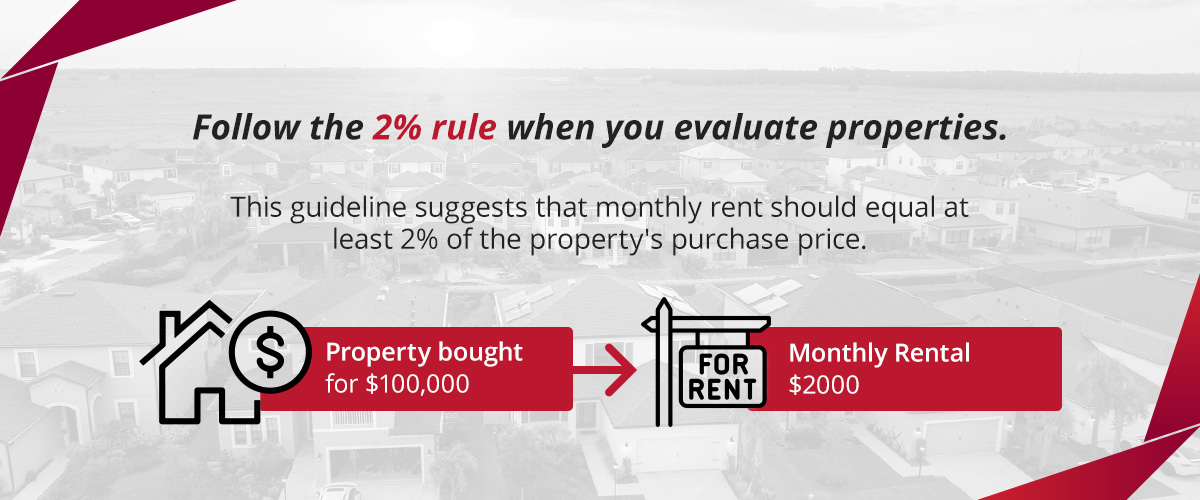
The right approach depends on your goals, available capital and risk tolerance. Follow the 2% rule when you evaluate properties. This guideline suggests that monthly rent should equal at least 2% of the property’s purchase price — for example, a property bought for $100,000 should get $2,000 in monthly rent. Common strategies include:
- Direct purchase: Buy a property and rent it out for steady cash flow. Over time, the asset may appreciate in value.
- Partnering or flipping funds: Get undervalued properties, renovate them and sell for profit. While potentially lucrative, this approach carries a higher risk.
- Non-recourse loan: Offices, retail centers or warehouses often generate higher returns, though they also need larger capital commitments.
- Real estate investment trusts (REITs): A passive option, REITs let investors buy shares in real estate portfolios.
3. Maximize Returns and Manage Risks
Building a strong real estate portfolio is about maximizing returns while actively managing risks. This dual focus helps preserve capital, enhance income streams and maintain compliance with retirement account rules.
Tax Benefits of Real Estate Investing
Rental income and capital gains earned inside the account grow tax-deferred, or tax-free if the SDIRA is structured as a Roth. This includes appreciation, rental income and profits from sales. Outside of retirement accounts, real estate offers benefits such as depreciation, mortgage interest deductions and the ability to defer capital gains through 1031 exchanges.
Proper structuring is essential. If an SDIRA investment involves debt financing, for example, investors must be aware of unrelated business taxable income (UBTI). This tax can apply when leverage generates income inside a tax-advantaged account. Speaking with a tax professional ensures you remain compliant while optimizing after-tax returns.
Ongoing Risk Assessment and Liquidity Planning
Keep in mind that real estate investing isn’t risk-free. Market cycles, tenant turnover and unexpected expenses can all impact returns, so you need to use a proactive approach to risk management. Key practices for real estate investing include:

- Regular portfolio reviews: Reassess market conditions and property performance annually.
- Expense reserves: Keep sufficient liquidity within the SDIRA to cover repairs, vacancies and taxes, as you can’t use personal funds.
- Insurance coverage: Adequate property and liability insurance lowers your exposure to unforeseen losses.
- Exit strategies: Plan for how and when to sell. Liquidity can be limited in real estate, so exit plans protect your retirement timelines. Balance your cash reserves and diversify across markets or properties to protect yourself against ill-timed sales.
4. Follow Compliance and Best Practices for Real Estate Investors
Success in real estate investing requires financial analysis, operating within IRS guidelines and following industry best practices. For SDIRA investors, compliance starts with selecting an experienced custodian who understands the complexities of alternative assets. All transactions must flow through the custodian to avoid prohibited dealings, and you should keep detailed records of income, expenses and property management activities to ensure transparency.
Discipline is also essential. Successful investors resist the temptation of shortcuts. They rely on careful planning, ongoing education and compliance-focused execution. With the right structure, real estate can serve as a reliable cornerstone of your retirement strategy.
How to Invest in Real Estate With an SDIRA
Getting started may feel complex, but a clear process can simplify your journey. Following a structured approach helps you avoid common mistakes and ensure IRS compliance:
- Step 1: Open an SDIRA if you don’t already have one. Choose a reputable custodian specializing in SDIRAs and alternative investments. Confirm their fee structure, customer service quality and real estate transaction experience.
- Step 2: Fund the account by transferring funds from your existing IRA or rolling over money from an eligible retirement plan. Make sure transfers are executed correctly to avoid tax penalties.
- Step 3: Define your investment goals, as clear objectives will guide your property search.
- Step 4: Work with real estate professionals to secure potential deals. Ensure all properties fit your goals and can be managed within IRS guidelines.
- Step 5: Once you choose a property, give your custodian the purchase details. All documents must list the SDIRA as the buyer — not you personally.
Start Investing in Real Estate With Accuplan Benefits Services
Real estate investing lets you diversify, build wealth and generate a reliable income. By using an SDIRA, you can unlock new opportunities that traditional retirement accounts don’t allow. With careful planning, the right partners and a disciplined approach, you can use real estate to strengthen your retirement strategy and secure financial freedom.
At Accuplan Benefits Services, our team of knowledgeable professionals helps you navigate contracts, tax rules and operational details. With industry experience dating to 1985, we have the best real estate investment tips on hand. Our team specializes in SDIRAs and is ready to help you invest in a wide range of real estate properties that suit your goals.
Sign up today or contact us for more information.

_**Disclaimer: **Since we are in the investment and retirement realm, we clarify that our information shouldn’t be relied upon for investment advice but is simply for information and educational purposes only. It is not intended to provide, nor should it be relied upon for, accounting, legal, tax, or investment advice. We also don’t make guarantees. _
Ready to start?
Open a self-directed IRA today.
10-minute application. Real human support.